Patios and walkways
Patios and walkways
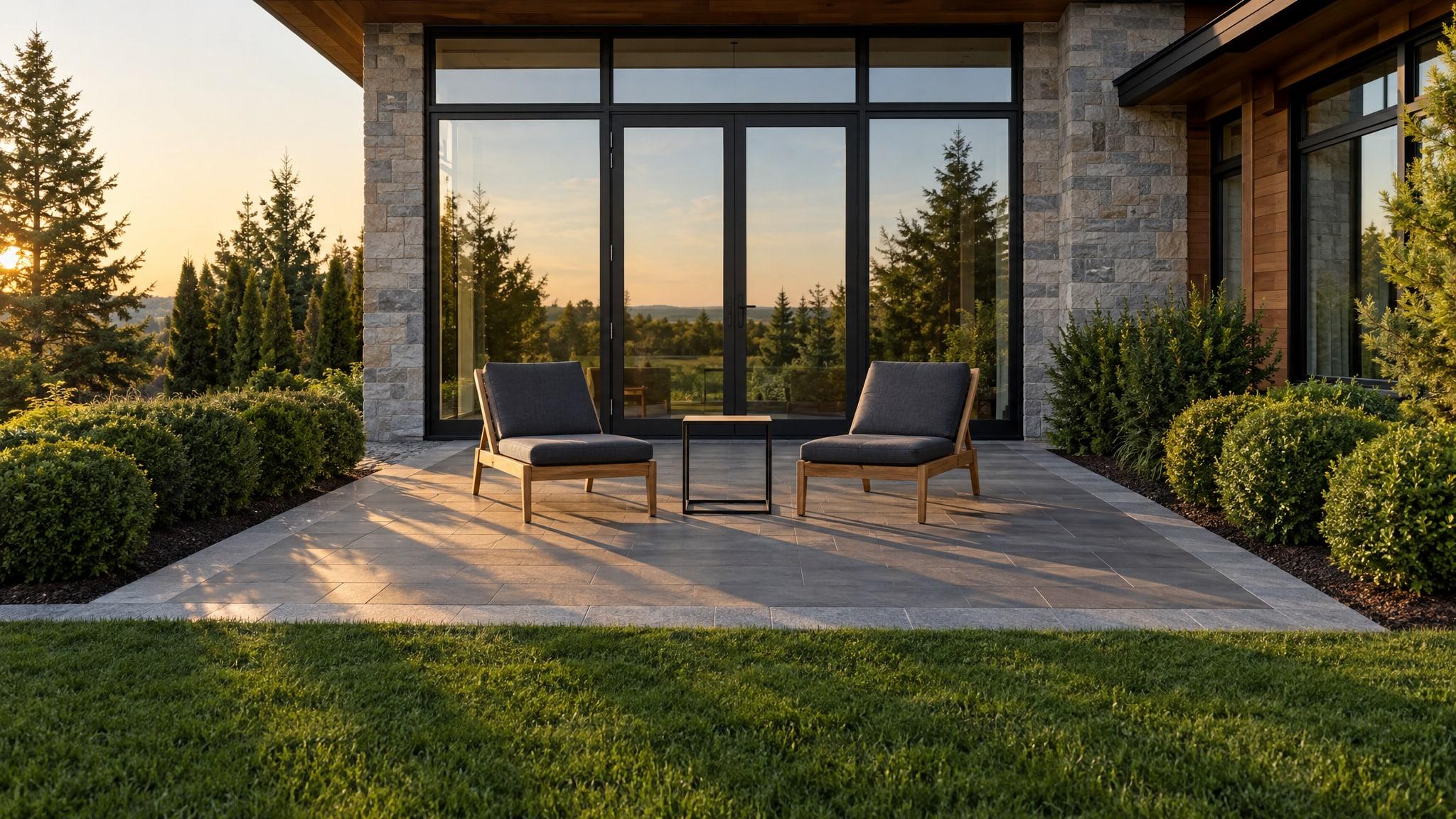
Paver and natural stone patios you use every summer night, on a compacted base sized for New Hampshire frost.
The short answer
What goes into a patio that stays flat
We build paver and natural stone patios and walkways across southern New Hampshire. Each one sits on a compacted gravel base so it stays flat for years.
Most patio problems start underneath. We dig out to firm ground, lay crushed stone in thin compacted layers, screed a bedding course, set the pavers, lock the edges and sweep in joint sand. You choose the paver or stone and the pattern; we make sure the base is right for New Hampshire ground.
Four materials, four looks
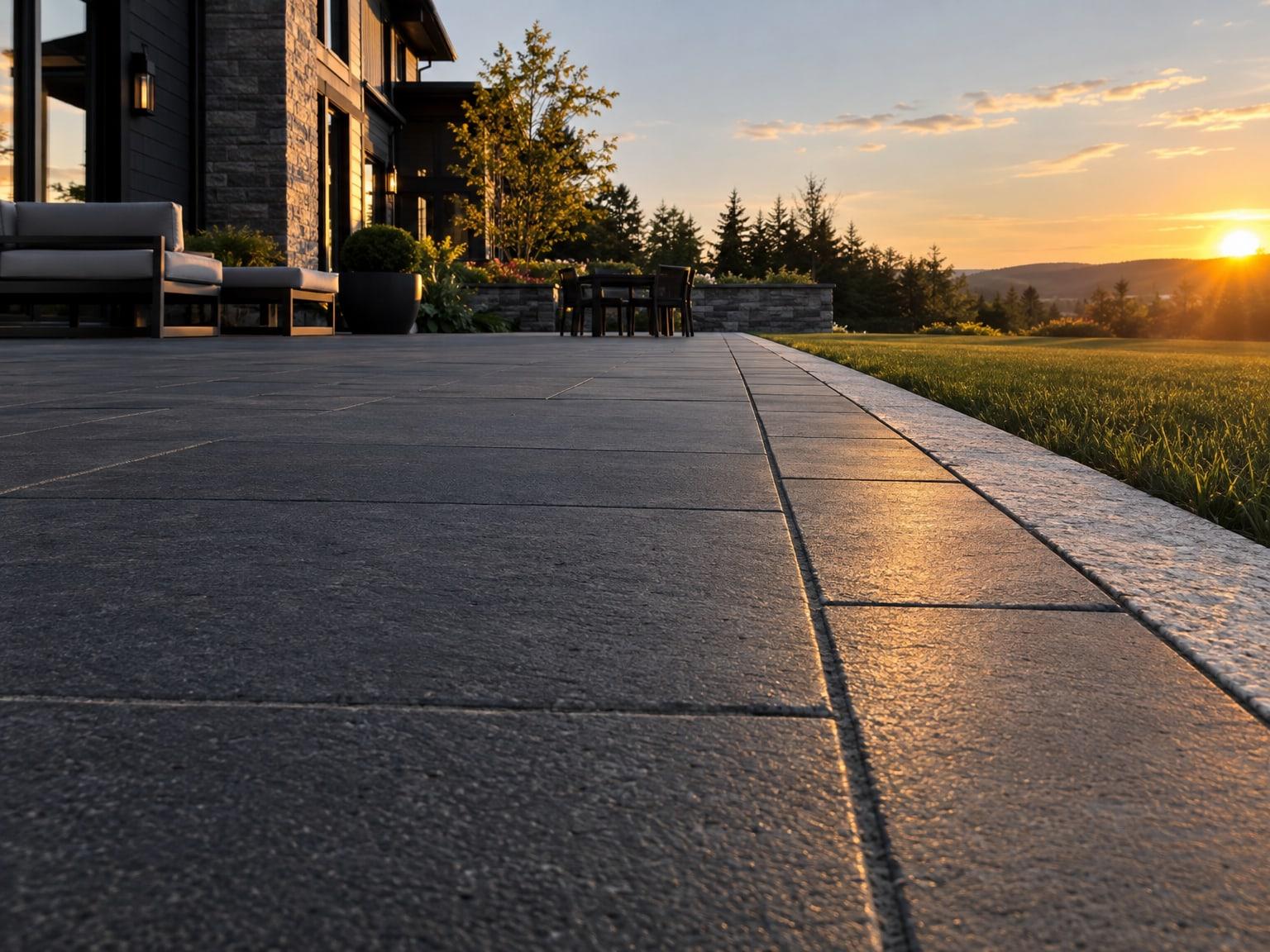
We install each one alone or together, to fit the budget and the house.
Pavers
Many shapes and colors, slip-resistant underfoot, and repairable one paver at a time.
Natural stone
Bluestone and other natural stone for a classic look; it costs more than pavers.
Brick
Long-lasting, with crisp lines; often used as a border around pavers or stone.
Gravel
The most cost-effective surface, and water drains straight through it.
How it works
How we do patios and walkways
Price it, then walk it
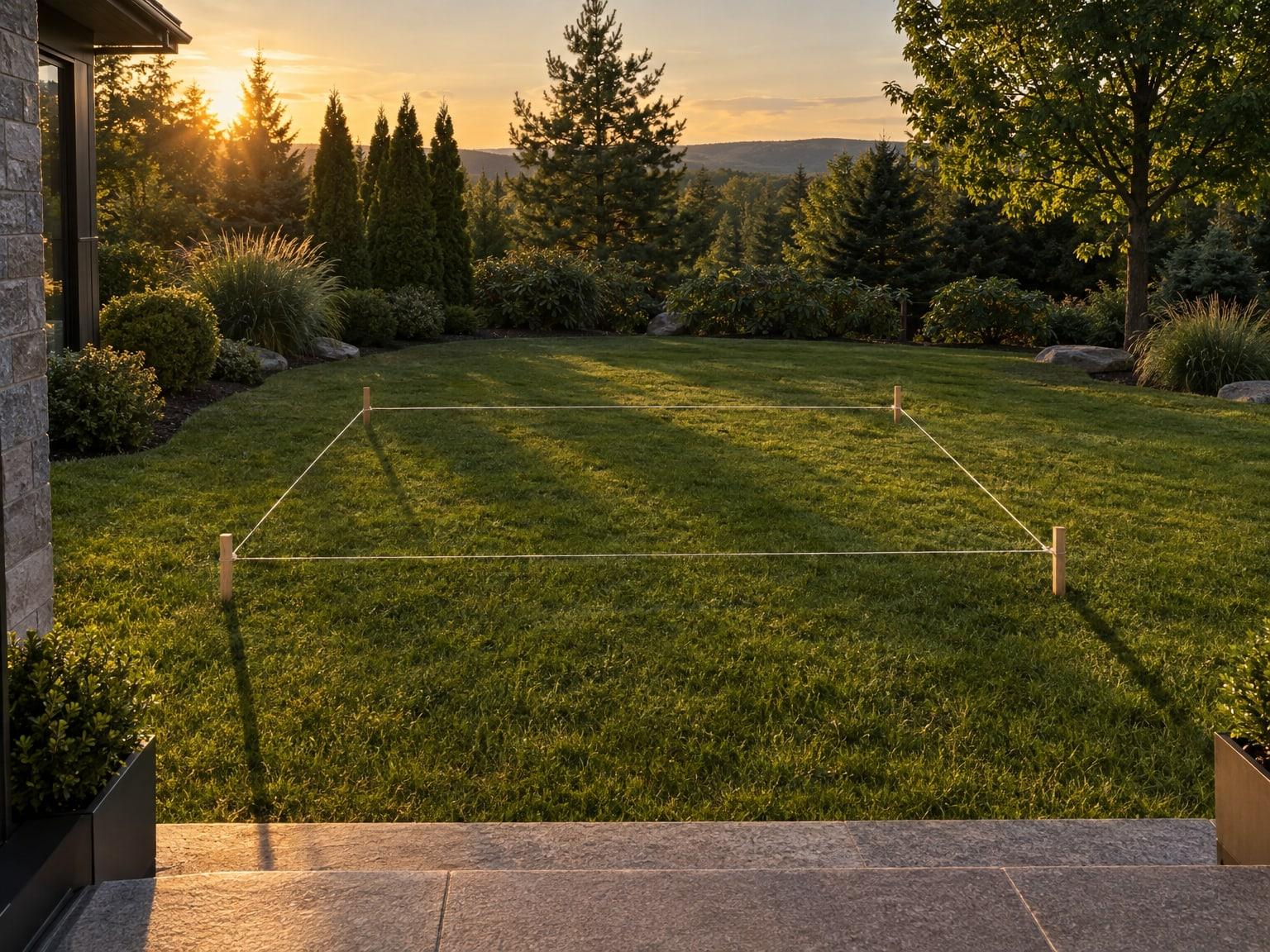
Price your property on the Planner, then we walk the yard with you and confirm the number in writing.
Pick stone and pattern
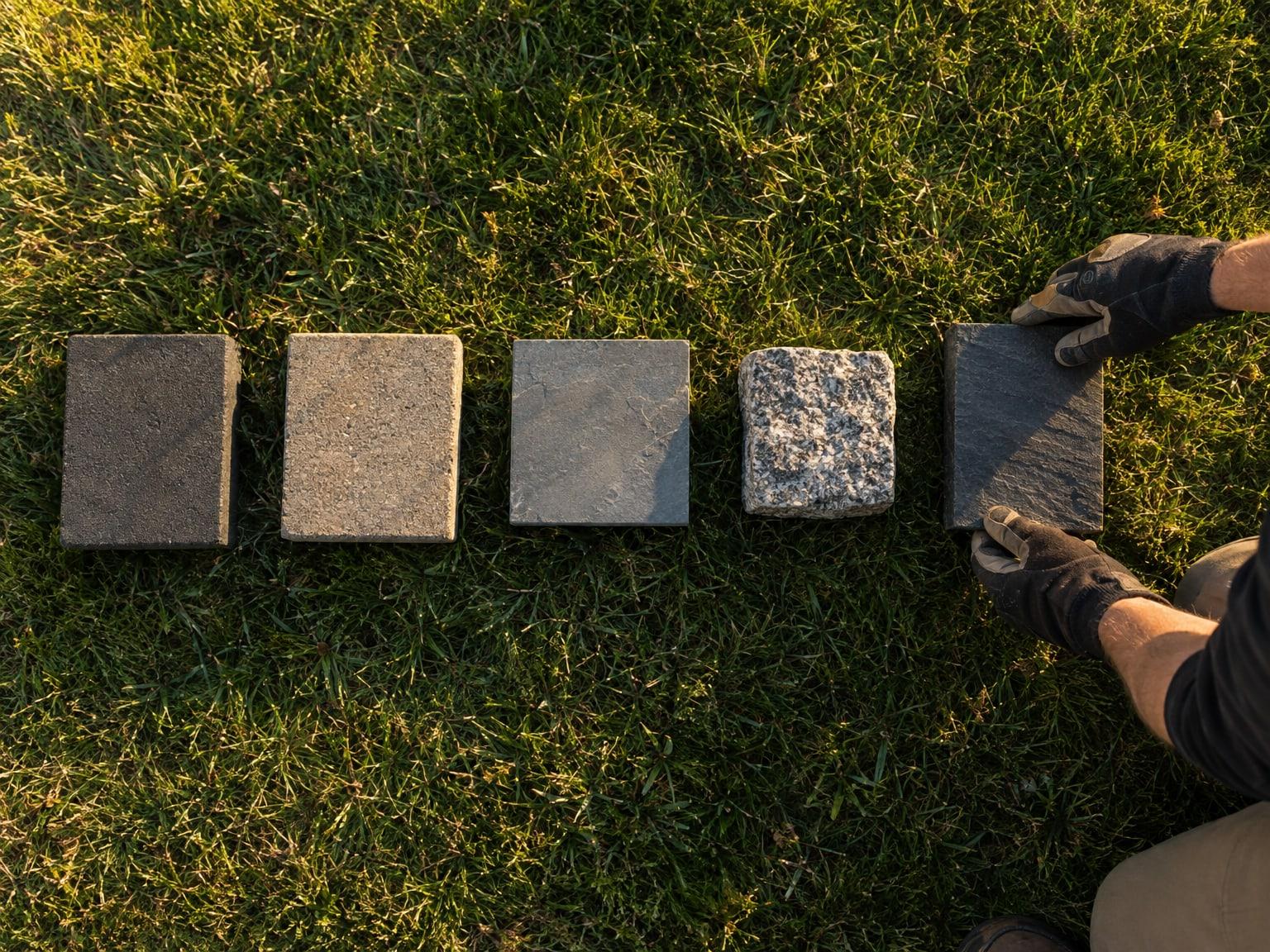
We bring samples and lay out the shape so you can see it before we dig.
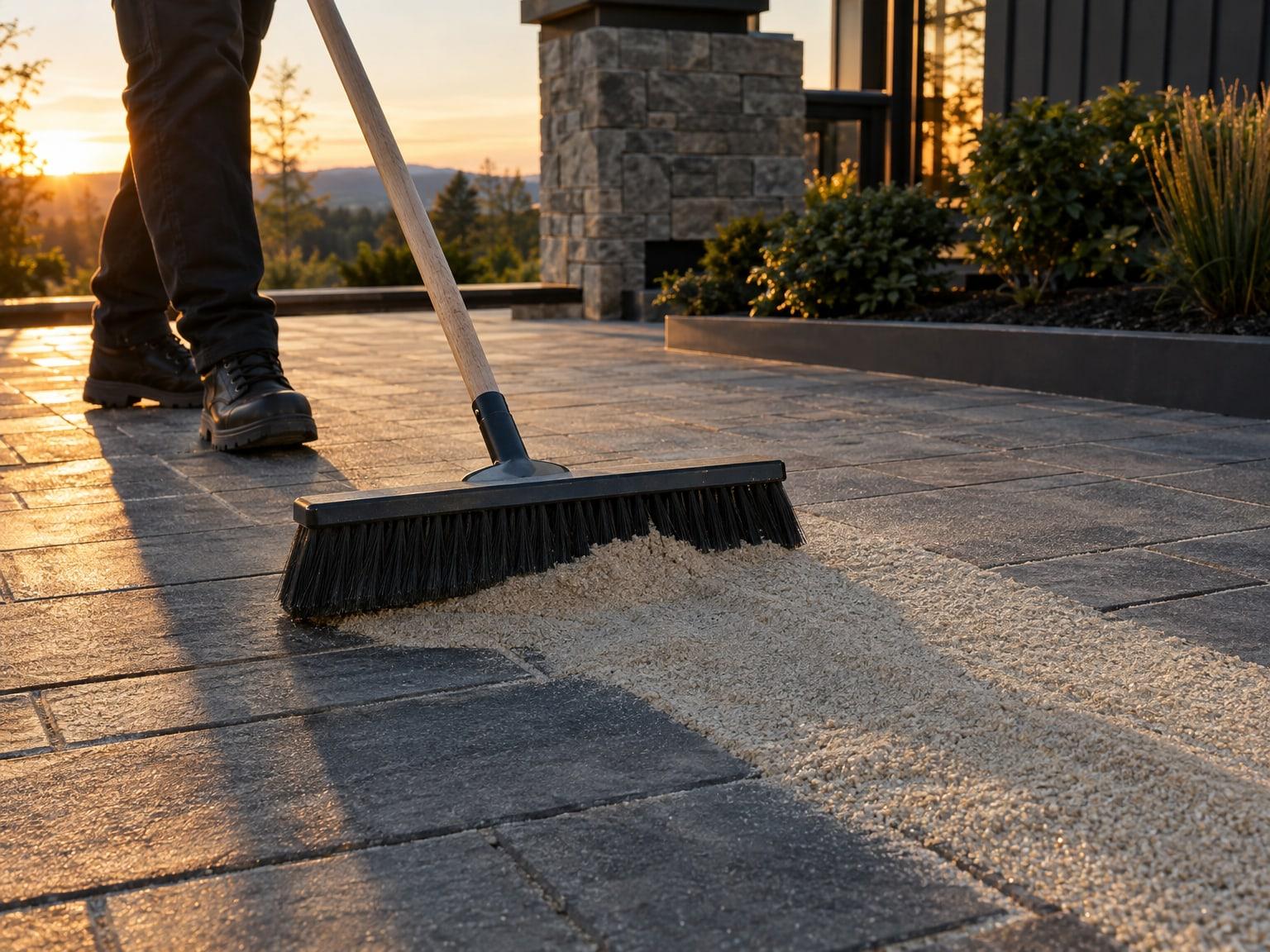
Base, set, finish
Excavate, compact, set and lock the edges, then walk it with you.
Pricing
What drives the price of a patio or walk
Square footage and material do most of the work: about $24 to $38 a square foot for standard pavers, $35 to $50 for premium pavers and $40 to $55 for natural stone. A 150 square foot patio in standard pavers runs about $3,600 to $5,700; curves, steps, borders and a hard-to-reach back yard add to it. Ranges are typical southern New Hampshire figures, confirmed at your free walkthrough.
$7,200 to $11,400
About 300 sq ft in standard pavers, installed
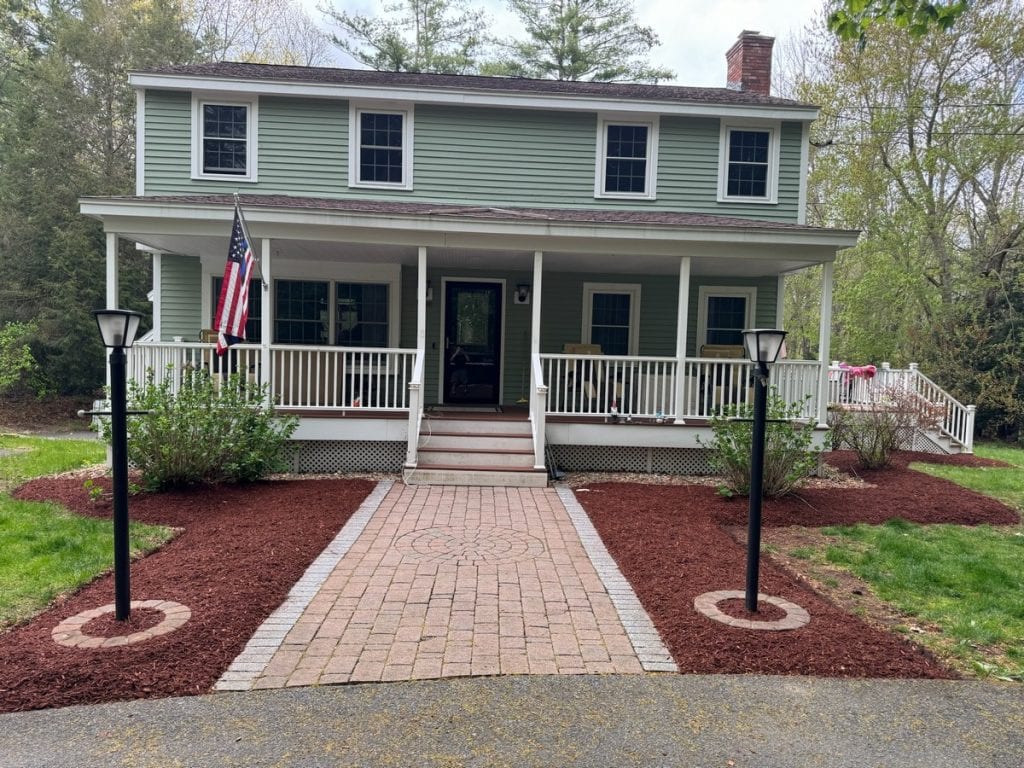
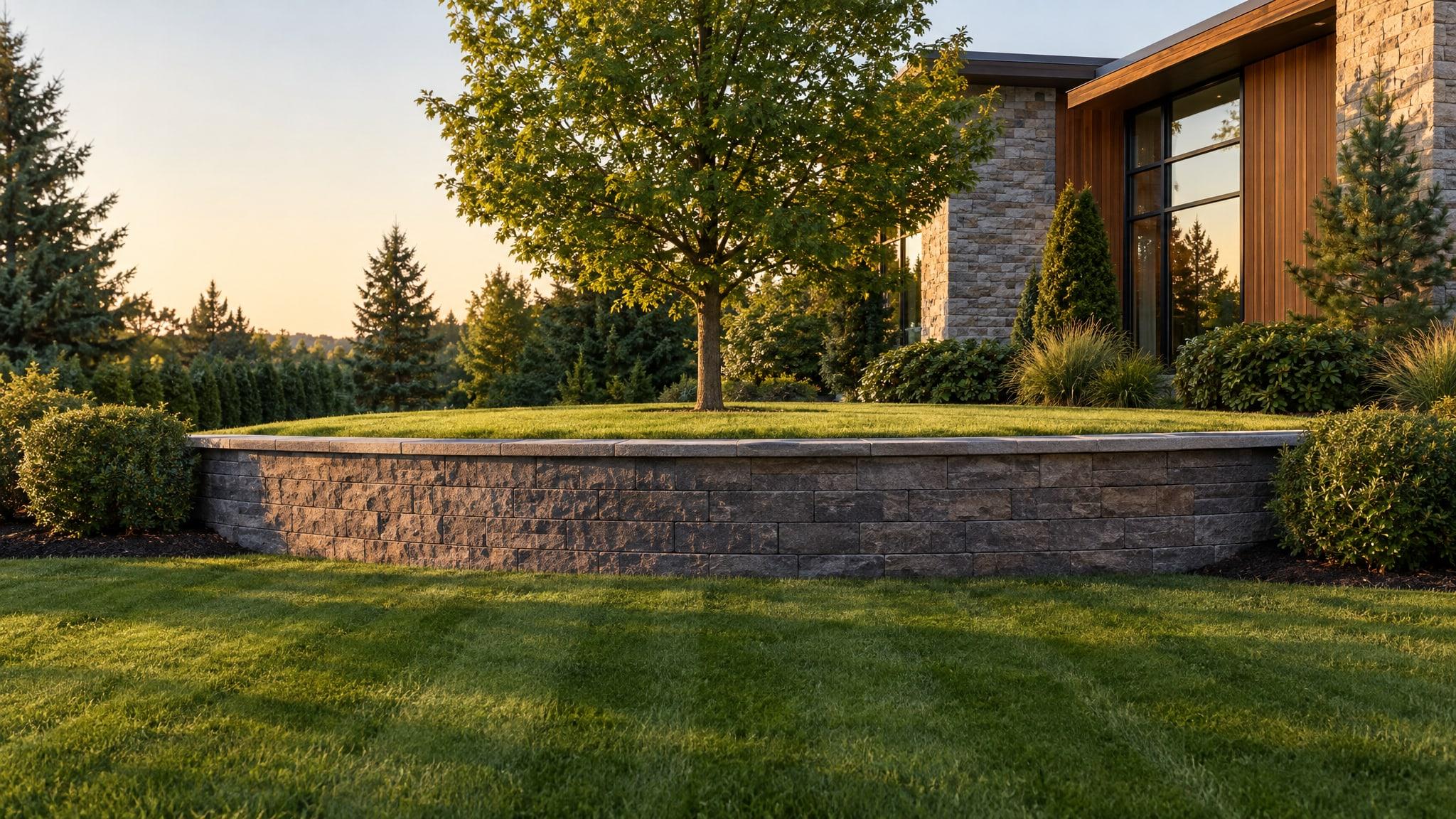
Photo: a B&W Outdoor job.
What your written quote lists
- Excavation and a compacted gravel base sized for frost
- Edge restraint
- Pavers or stone in your chosen pattern
- Polymeric joint sand
- Cleanup and haul-away of excavated soil
Questions
Patios and walkways: common questions
How much does a paver patio cost?
A 300 square foot paver patio typically runs $7,200 to $11,400 in standard pavers, $10,500 to $15,000 in premium pavers and $12,000 to $16,500 in natural stone across southern New Hampshire. The Planner shows the range for your size tonight, and we confirm it at a free walkthrough.
How deep is the base under a patio?
Deep enough for frost and for your soil. We check the ground and where water collects at the walkthrough, and the written quote states the depth of compacted gravel under your patio.
Pavers or natural stone?
Pavers cost less and come in many colors; natural stone such as bluestone reads more classic and costs more. We bring both to the walkthrough.
Can a damaged paver be replaced?
Yes. Pavers are set one by one, so a cracked or stained paver can be lifted out and replaced without redoing the patio.
Do you build walkways as well as patios?
Yes: front walks, side paths and garden routes, usually in the same material as the patio so the two match.
Outdoor Spaces. Built Right.
Price your patios and walkways tonight.
Pick your services, see a range for your own yard, and request a free walkthrough with no obligation. We call you to confirm the time.